
Are Herbalife Shakes Good for Diabetics?
By Dogus Dilan, Herbalife Independent Wellness Coach · Last updated 10 August 2026
There’s genuinely strong evidence here — the NHS’s own Type 2 Diabetes Path to Remission Programme uses meal-replacement “soups and shakes,” and of those who completed it, 32% put their diabetes into remission with an average weight loss of 16kg. But that’s a clinically supervised programme at 800-900 kcal a day with structured medical support, not the same as self-directing Formula 1 shakes at home. If you take insulin or sulphonylureas specifically, meal replacement without medical guidance carries a real hypoglycaemia risk. Herbalife’s own official UK guidance is consistent with this: suitability depends on your diabetes type, medication, and your healthcare provider’s personal carbohydrate allowance for you — not a blanket yes or no.
The Real NHS Evidence — and Its Real Limits
The NHS Type 2 Diabetes Path to Remission Programme, a joint initiative between NHS England and Diabetes UK, offers eligible participants total diet replacement — all meals swapped for nutritionally complete soups and shakes at 800-900 kcal a day — for 12 weeks, followed by 12 months of clinical support to reintroduce food. It’s built on genuine research (the DiRECT study), and the results are real: 32% of those who completed the programme achieved remission.
The key detail is “clinically supervised.” This is a structured NHS referral pathway with 1-to-1 clinical monitoring throughout — not the same thing as buying shakes online and running your own version of it. The evidence supports the concept under medical supervision; it doesn’t automatically transfer to unsupervised self-management.
An Important Medication Warning
If you take insulin or a sulphonylurea (a class of blood-sugar-lowering medication), switching to a meal replacement without adjusting your dose can genuinely cause hypoglycaemia (dangerously low blood sugar) — because these medications are typically dosed around your usual carbohydrate intake. This isn’t a reason to avoid shakes altogether, but it is a reason to talk to your GP, diabetes nurse, or dietitian before changing your usual eating pattern, so your medication can be reviewed alongside any dietary change.
What Herbalife’s Own Official Guidance Actually Says
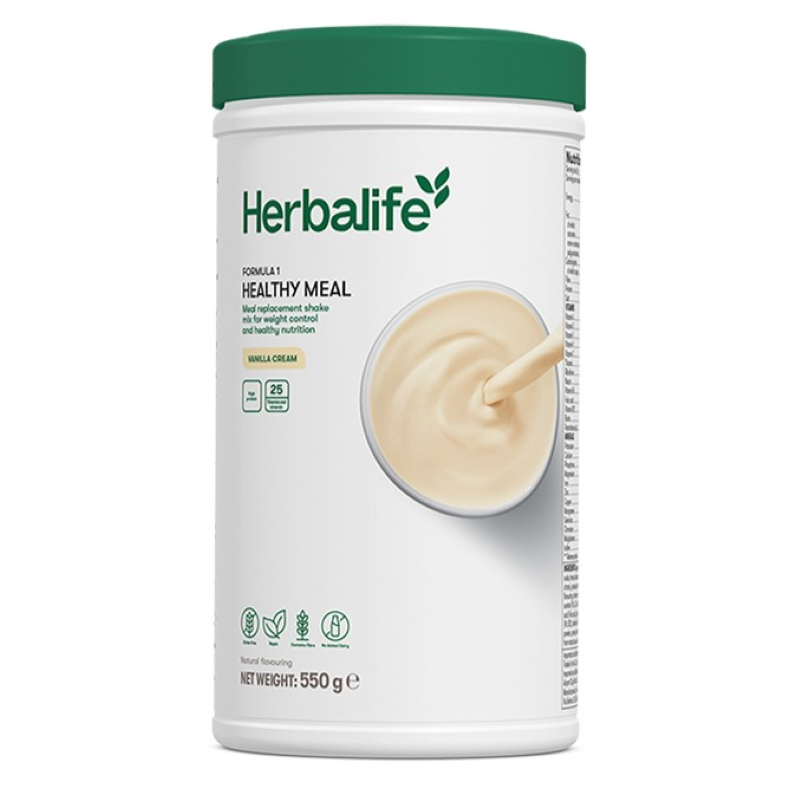
Herbalife’s own UK FAQ page is refreshingly specific rather than making a blanket claim. It points out that carbohydrate content genuinely varies by flavour — Formula 1 Vanilla Cream provides 21g of carbohydrate per 250ml serving, while Banana Cream provides 20g — and that suitability depends on several individual factors: your state of health, diabetes type, your personal carbohydrate allowance as set by your healthcare provider, and any medication you’re on.
It also makes a distinction worth repeating: Type 1 and Type 2 diabetes can have different nutritional requirements, so what’s appropriate for one isn’t automatically appropriate for the other.
If You Want to Try This, Do It With Your Care Team
Given the genuine NHS evidence behind meal replacement for type 2 diabetes, this isn’t a case of “definitely don’t” the way pregnancy weight-loss dieting is. It’s a case of “this can genuinely help, but do it properly” — bring your specific product’s carbohydrate content to your GP, diabetes nurse, or dietitian, discuss your current medication, and build a plan together rather than starting alone, particularly if you’re on any glucose-lowering medication.
Frequently Asked Questions
Can meal replacement shakes really help with type 2 diabetes?
Is it safe to start Formula 1 without telling my doctor if I have diabetes?
Does every Formula 1 flavour have the same carbohydrate content?
Is Formula 1 equally suitable for Type 1 and Type 2 diabetes?
What should I bring to my doctor if I want to discuss using Herbalife shakes?
Related Reading
Sources & References
- Diabetes UK — “Meal Replacement Plans for Type 2 Diabetes Remission.”
- NHS England — “NHS Type 2 Diabetes Path to Remission Programme.”
- Herbalife UK — Official FAQ: “Is Herbalife safe for diabetics?”
This is a sensitive topic, and this article is general information only, not personal medical advice. If you have diabetes, especially if you take insulin or other glucose-lowering medication, please speak to your GP, diabetes nurse, or dietitian before changing your diet.
Dogus Dilan — Herbalife Independent Member / Wellness Coach
Writes every guide on this site from official Herbalife product labels and published data rather than marketing copy. As a Herbalife Independent Member, the products discussed here are sold through this shop.