Digital Childhood & Cognitive Growth: Why Modern Kids Need More Than Just Standard Omega-3

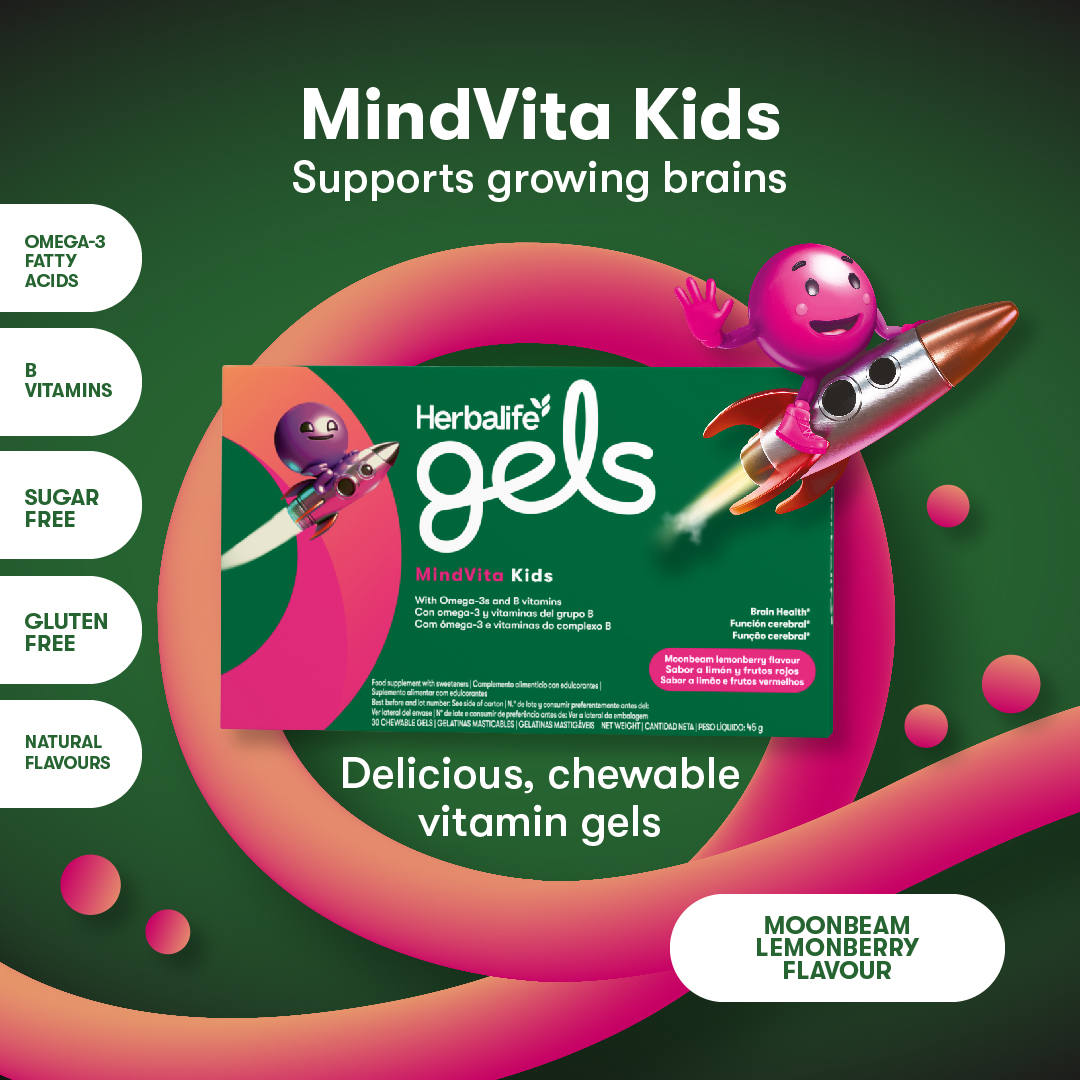
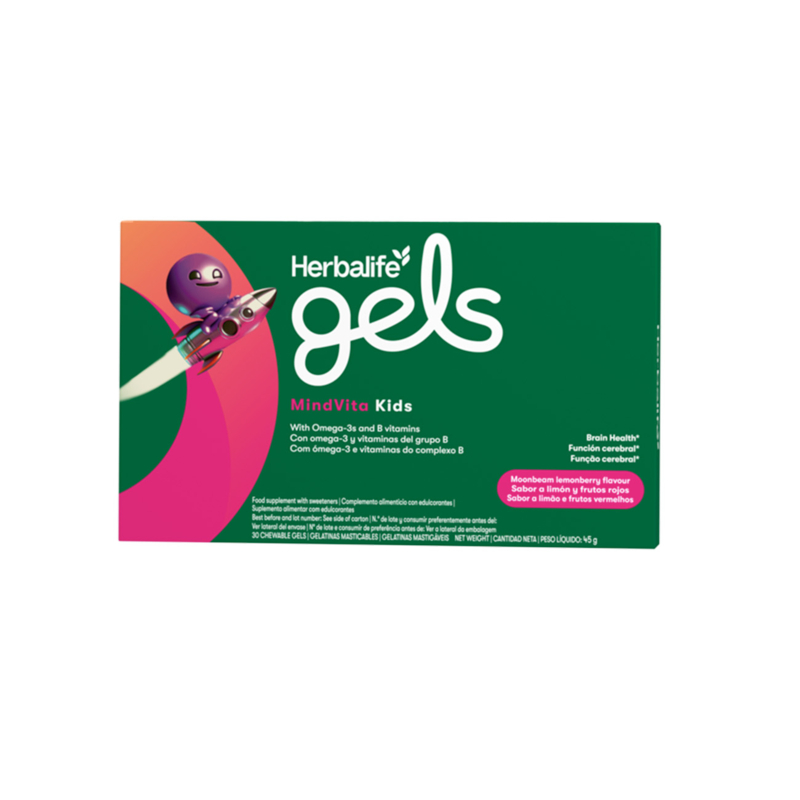
Herbalife Gels MindVita Kids Moonbeam Lemonberry Flavor

In an era dominated by high-definition tablets, smartphones, and interactive school screens, the modern childhood environment has fundamentally transformed. While these digital advancements offer unparalleled learning opportunities, they simultaneously expose developing minds and young eyes to unprecedented physiological stressors, most notably high-energy visible blue light. For conscientious parents across the United Kingdom, safeguarding a child’s developmental trajectory now requires a strategy that goes far beyond traditional nutrition. It demands a precise, scientifically validated synergetics of cognitive support, retinal protection, and metabolic stability.

While conventional fish oils have long been heralded for their general wellness attributes, standard formulations frequently fall short of the rigorous molecular thresholds required to actively counteract the demands of a screen-centric lifestyle. True cognitive resilience and neurological stamina in growing children necessitate a highly bioavailable, multi-targeted approach—one that combines pristine, high-potency marine lipids with targeted micronutrients and macular carotenoids without introducing detrimental refined sugars.

Understanding this precise metabolic intersection is no longer just optional for paediatric wellness; it is the definitive foundational cornerstone for unlocking a child’s ultimate academic, psychological, and physiological potential in the digital age.


The Digital Screen Dilemma: How Blue Light Affects Your Child’s Vision

The modern British household is intrinsically connected to the digital ecosystem. From interactive whiteboards in primary classrooms to recreational tablet use and gaming consoles at home, children aged between 4 and 17 are exposed to prolonged periods of screen time. This constant digital immersion introduces a distinct physiological challenge: high-energy visible (HEV) blue light. Unlike natural sunlight, which contains a balanced spectrum, the artificial blue light emitted by light-emitting diodes (LEDs) in digital devices features a short, highly energetic wavelength fluctuating between $400\text{ nm}$ and $500\text{ nm}$. Because a child’s ocular lens is clearer and less efficient at filtering out these intense wavelengths than an adult’s, artificial blue light penetrates deep into the ocular structure, reaching the delicate retinal layers unhindered.

Prolonged exposure to HEV blue light triggers oxidative stress within the photoreceptor cells of the retina. This molecular strain often manifests macroscopically as digital eye strain, characterized by blurred vision, dry eyes, headaches, and premature physical fatigue. Furthermore, artificial blue light exposure during the late afternoon and evening hours suppresses the natural synthesis of melatonin, the neurohormone responsible for regulating circadian rhythms. This disruption directly interferes with sleep quality, preventing the deep, restorative rest cycles that are absolutely paramount for overnight memory consolidation and neurological recovery in school-aged children.

Enter Lutein and Zeaxanthin: The Internal Blue Light Filters

To combat the pervasive threat of digital eye strain and retinal oxidative stress, the human body relies on specific dietary phytonutrient shields known as macular karotenoids: Lutein and Zeaxanthin. These powerful dietary antioxidants cannot be synthesized endogenously by the body; they must be obtained through precise nutrition. Once absorbed, Lutein and Zeaxanthin are selectively deposited in high concentrations directly within the macula—the highly sensitive central area of the retina responsible for sharp, detailed, axial vision.

Scientifically, Lutein and Zeaxanthin function exactly like an internal pair of sunglasses. At a molecular level, their conjugated double-bond structures allow them to absorb and neutralize high-energy blue wavelengths before they can strike and damage the underlying retinal pigment epithelium. By acting as a physical filter for short-wavelength light, this powerful karotenoid duo optimizes visual contrast, reduces disability glare, and shortens photostress recovery times. For children navigating a screen-heavy world, maintaining a robust daily intake of Lutein and Zeaxanthin provides a vital, internal defense system that mitigates visual fatigue, stabilizes sleep-wake cycles, and preserves long-term macular integrity against the inevitable demands of modern technology.


Decoding the 250mg DHA Threshold for Brain Function and Focus

The human brain is predominantly composed of lipids, with polyunsaturated fatty acids (PUFAs) serving as the primary structural building blocks of neural cell membranes. Among these, Docosahexaenoic Acid (DHA), an omega-3 long-chain fatty acid, is uniquely concentrated in the cerebral cortex and synaptic membranes. During the critical developmental phases of childhood and adolescence, the neural pathways responsible for complex cognitive processes—such as working memory, executive function, sustained attention span, and impulse control—undergo rapid myelination and synaptic pruning. A continuous, robust supply of DHA is absolutely paramount to maintain membrane fluidity, which directly optimizes the efficiency of neurotransmitter receptors and signal transduction between synapses.

To guarantee that a child’s neurological system receives adequate structural support, international health authorities have established strict quantitative guidelines. The European Food Safety Authority (EFSA) and UK independent nutritional guidelines firmly state that the definitive maintenance of normal brain function and visual health is strictly dependent upon a minimum daily intake of 250 mg of DHA. Standard diets across the United Kingdom frequently fall short of this baseline due to a low average consumption of oily marine fish. When a child’s daily intake drops below this 250 mg threshold, cell membranes become rigid, slowing down the rate of synaptic transmission. Supplying precisely 250 mg of highly bioavailable DHA ensures that neural networks remain highly responsive, directly facilitating a child’s capacity to absorb, process, and retain academic information efficiently.

School Performance and Nervous System Support: The Role of Selected B Vitamins

While DHA establishes the physical structural integrity of the brain, a meticulously chosen complex of water-soluble B vitamins acts as the biochemical engine that drives cognitive energy metabolism and neural communication. The integration of Vitamin B6 (pyridoxine), Vitamin B12 (cyanocobalamin), Niacin (nicotinamide), and Biotin is vital for converting dietary macronutrients into adenosine triphosphate (ATP)—the primary energy currency utilized by high-demand cerebral tissues. A steady supply of cellular energy prevents the midday mental fatigue and concentration dips commonly experienced by school-aged children during demanding academic schedules.

Beyond energy production, these specific B vitamins serve as crucial cofactors in the endogenous synthesis of essential neurotransmitters, including serotonin, dopamine, and gamma-aminobutyric acid (GABA). Vitamin B6 and B12 are intrinsically involved in the regular regulation of homocysteine levels and the preservation of the myelin sheath, which insulates nerve fibres and ensures rapid, unhindered neurological signaling. By supporting both energy-yielding metabolism and psychological function, this synchronized micronutrient blend provides the nervous system with the emotional and cognitive stability needed to manage academic stress, reduce restlessness, and maintain a balanced, focused state of mind throughout the day.

Herbalife Gels MindVita Kids Moonbeam Lemonberry

Herbalife Gels – MindVita Kids Moonbeam Lemonberry

Fuel your child’s academic journey and shield their vision from digital screens with this premium, sugar-free chewable gel. Specially formulated for ages 4–17, it delivers the exact legal 250mg DHA threshold required to optimise brain function, paired with a vital blue-light antioxidant shield and key B vitamins—all in a delicious, child-approved natural lemonberry flavour.

Shop MindVita Kids Now

Nutritional Information (Per 1 Chewable Gel)

Active Nutrient Quantity Per Gel % Reference Intake (% RI)
Omega-3 Fatty Acids 335 mg *
– of which Docosahexaenoic Acid (DHA) 250 mg * (EFSA Brain Standard)
– of which Eicosapentaenoic Acid (EPA) 50 mg *
Lutein 5.0 mg * (Blue Light Shield)
Zeaxanthin 1.0 mg * (Retinal Support)
Niacin (Nicotinamide) 2.4 mg 15 %
Vitamin B6 0.21 mg 15 %
Vitamin B12 0.39 µg 16 %
Biotin 7.5 µg 15 %

** Reference Intake (RI) according to UK and EU food labeling regulations. * Reference Intake not established.


Ending the Morning Shaker Battles: The Sugar-Free, No-Fish-Taste Revolution

For many parents across the United Kingdom, the morning routine frequently involves a persistent, stressful battle: trying to convince a child to swallow standard liquid fish oils. Traditional marine supplements are notorious for their intense, unpalatable fishy odour and metallic aftertaste, which often trigger a strong aversion in young children. Even when parents turn to common chewable alternatives, they face a different, hidden compromise. The majority of pediatric omega-3 “gummies” available on high-street shelves are heavily loaded with refined sugars, glucose syrups, and artificial gelatin coatings to mask the natural flavor of the oil. This creates a severe dietary contradiction, as the metabolic costs of daily sugar consumption quickly begin to undermine the neurological benefits of the supplement itself.

The solution to this routine conflict lies in advanced, modern lipid-encapsulation technology. By structuring marine lipids into a highly stable, emulsified chewable gel matrix rather than a traditional oil or gelatin sweet, the volatile compounds responsible for the distinct fishy taste and smell are completely trapped at a molecular level. The formulation remains perfectly intact until chewed, releasing only natural, refreshing fruit flavors. This scientific breakthrough completely removes the sensory barriers associated with marine supplementation, turning what used to be a difficult morning struggle into an easy, stress-free habit that children genuinely look forward to every day.

Pure Xylitol vs. Hidden Sugars: Prioritising Paediatric Dental Health

Public health initiatives in the UK, such as the ongoing campaigns led by groups like Action on Sugar, continuously highlight the severe impact that hidden sugars in pediatric products have on dental health. Regular consumption of sugary chewable vitamins exposes a child’s developing teeth to prolonged acid attacks, directly accelerating enamel demineralisation and the development of painful pediatric dental caries. For an omega-3 supplement to truly support long-term physical wellness, it must be completely detached from refined carbohydrates, glucose syrups, and hidden sugars.

Pediatric Supplement Sweetener Comparison

Feature / Impact Refined Sugars & Syrups Pure Xylitol / Sorbitol
Enamel Acid Exposure High Risk (Demineralisation) Zero Acid Production
Cariogenic Bacteria Feeds Mutans Streptococci Inhibits Bacterial Growth
Glycaemic Index (GI) Sharp Insulin Spikes Minimal / Stable Blood Glucose
Pediatric Dental Safety Strongly Discouraged Approved & Recommended

By utilizing high-purity sugar alcohol alternatives—specifically Xylitol and Sorbitol—modern chewable gels protect vulnerable dental structures while maintaining an appealing taste. From a biochemical standpoint, Xylitol is entirely non-cariogenic. Because oral bacteria, particularly Streptococcus mutans, are completely unable to ferment sugar alcohols, they cannot produce the harmful acidic by-products that attack tooth enamel. In fact, clinical studies demonstrate that Xylitol actively helps reduce dental plaque formation and encourages natural enamel remineralisation by stimulating salivary flow. Choosing a premium, sugar-free, and gluten-free formula allows parents to seamlessly deliver high-potency brain and eye development nutrients while actively supporting excellent pediatric oral hygiene.


How to Integrate Herbalife Gels MindVita Kids into Your Daily Routine

Establishing a consistent, structured supplementation routine is vital to achieving the sustained cellular accumulation of marine lipids and micronutrients necessary for long-term development. Herbalife Gels MindVita Kids is scientifically calibrated for daily administration, specifically targeting children and adolescents within the 4 to 17 age demographic. To ensure optimum gastrointestinal absorption and metabolic utilization, one chewable gel should be consumed daily, preferably alongside a main meal such as breakfast or dinner. Introducing the gel alongside dietary fats enhances the micellar emulsification process within the small intestine, thereby maximizing the biological uptake of the high-potency Docosahexaenoic Acid (DHA) and lipid-soluble karotenoids.

Daily Pediatric Routine Integration

Step / Phase Recommended Practical Guidelines
Target Demographic Children and young adults aged 4–17 years old
Daily Dosage Exactly 1 chewable gel per day (Do not exceed)
Optimal Timing Concurrently with a fat-containing main meal
Administration Method Must be chewed thoroughly before swallowing
Adult Supervision Required to monitor proper chewing discipline

Because MindVita Kids features an innovative, soft gel texture, it must be chewed thoroughly before swallowing to initiate early enzymatic breakdown in the oral cavity and guarantee a safe digestive passage. Parental or adult supervision is strictly required during administration to ensure younger children practice proper chewing discipline and do not attempt to swallow the gel whole. It is critical for parents to recognize that while this premium supplement delivers an uncompromising nutritional framework for ocular and neurological health, it must be utilized strictly as directed within a balanced, varied diet and as a structural component of a healthy, active lifestyle.

Conclusion: Investing in Your Child’s Future Health

Navigating the unique physiological challenges of a modern, screen-heavy childhood requires looking beyond standard wellness approaches. Protecting a child’s long-term visual integrity from high-energy artificial blue light and optimizing their cognitive processing speed during critical academic years demands a deliberate, scientifically sound strategy. By combining the precise, regulatory-approved 250 mg threshold of pure DHA with specialized B vitamins and a dedicated, light-filtering macular antioxidant shield, parents can actively help their children build a highly resilient neurological and ocular foundation.

Investing in a premium, sugar-free chewable gel matrix does more than just solve the daily struggle of unpleasant supplement tastes; it prioritizes pediatric dental health and guarantees clean, highly bioavailable cellular support without metabolic compromises. Providing your child with the exact molecular building blocks they need today ensures they have the focus, clarity, and visual health required to confidently lead and thrive in tomorrow’s digital world.


Frequently Asked Questions (People Also Asked)

What does 250mg of DHA do for a child’s development?

Docosahexaenoic Acid (DHA) serves as a primary operational building block for neural and visual membranes. Consuming precisely 250 mg of bioavailable DHA daily fulfills the quantitative physiological threshold validated by health authorities to maintain normal, unhindered brain function, synaptic signal speed, and lifelong optical clarity in children.

How can I protect my child’s eyes from blue light from screens?

Prolonged screen exposure subjects the retina to high-energy visible artificial blue light. Dietary karotenoids, specifically Lutein and Zeaxanthin, naturally deposit within the macular pigment to form an internal light-filtering shield. This biological defense mechanism absorbs damaging wavelengths, counteracts oxidative cellular strain, and reduces digital eye fatigue.

Are there sugar-free omega-3 supplements for kids that don’t taste like fish?

Yes. Advanced lipid emulsification gel technologies completely lock volatile marine odor molecules at a microscopic level, entirely eliminating the fishy taste and aftertaste. Sweetened instead with non-cariogenic sugar alcohols like Xylitol, these formulations deliver potent marine nutrition without promoting childhood dental caries or introducing artificial sugars.

What age can a child start taking omega-3 chewable gels?

Herbalife Gels MindVita Kids is precisely balanced and biochemically calibrated for children, teenagers, and young adults falling within the 4 to 17 age bracket. Due to its chewable soft gel format, it must always be thoroughly chewed before swallowing, under active adult supervision, to maintain absolute digestive safety.


References & Scientific Sources

  1. European Food Safety Authority (EFSA): Scientific Opinion on the Substantiation of Health Claims Related to Docosahexaenoic Acid (DHA) and Maintenance of Normal Brain Function
  2. Harvard Health Publishing: Digital Screens, High-Energy Visible Blue Light, and the Protective Role of Macular Carotenoids in Pediatric Vision
  3. National Institutes of Health (NIH) Office of Dietary Supplements: Omega-3 Fatty Acids and Water-Soluble B Vitamins: Structural and Metabolic Synergies in Pediatric Cognitive Performance
  4. British Dental Association (BDA): The Biochemical Protective Role of Non-Cariogenic Sugar Alcohols (Xylitol) Against Pediatric Dental Caries and Enamel Demineralisation
Shopping Basket
Scroll to Top

This website is operated by the following Herbalife Nutrition Independent Member: Dogus Dilan

EXISTING CUSTOMER?

Your one-to-one relationship with your personal Member is key to meeting your nutrition goals. If Dogus Dilan is not your personal Member, we encourage you to purchase your products from your existing Member.

ALREADY A HERBALIFE
NUTRITION MEMBER?

To purchase via your own Membership account and receive full credit please visit myherbalife.com