
Why Am I Always Tired? 5 Nutritional Gaps That Could Be Draining Your Energy
By Dogus Dilan, Herbalife Independent Wellness Coach · Last updated 13 August 2026 · 8 min read
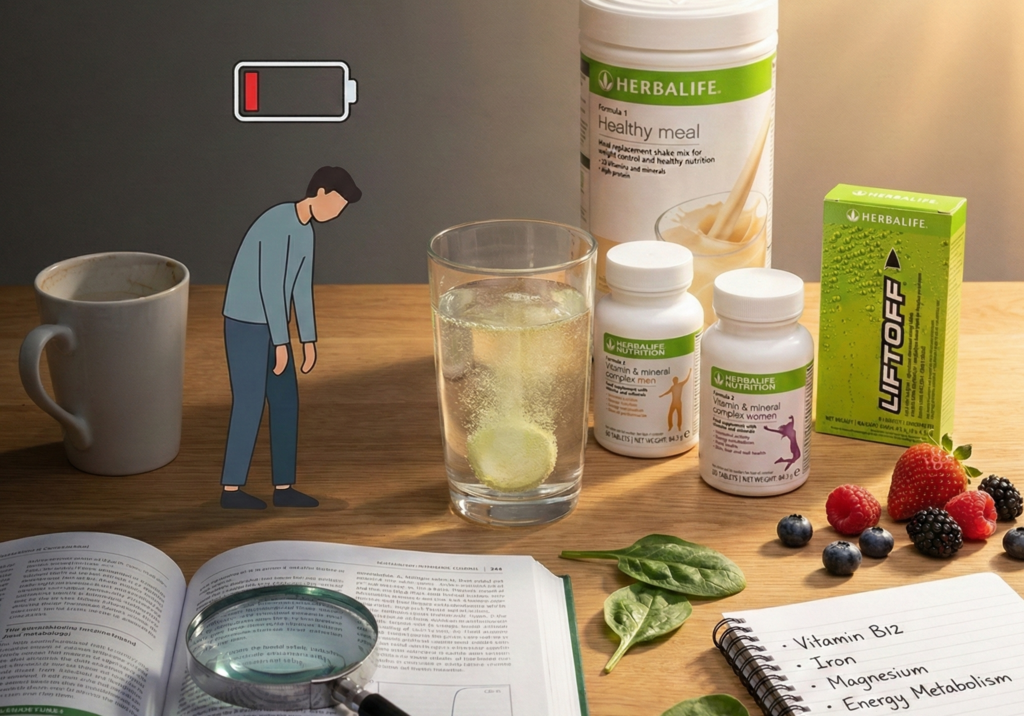
“Why am I always tired?” is one of the most common health questions people search — and one of the most common reasons people visit a GP. The NHS estimates tiredness is behind roughly 1 in 10 GP consultations. Sleep and stress are the biggest factors for most people, but nutrient gaps are a real, well-documented contributor too.
Below are the five nutritional gaps most consistently linked to fatigue in NHS guidance and EU-authorised nutrition science, what they actually do in the body, and where relevant, which Herbalife products genuinely provide them.
Jump to a section
1. Iron
Iron is used to make haemoglobin, the substance in red blood cells that carries oxygen around the body. When iron is low, your organs and tissues get less oxygen — and tiredness and lack of energy is the most commonly reported symptom of iron deficiency anaemia, alongside shortness of breath, heart palpitations and pale skin. Iron deficiency is particularly common in menstruating women, and iron itself carries the EU-authorised claim that it contributes to the reduction of tiredness and fatigue.
Iron deficiency is diagnosed with a simple blood test at your GP — it isn’t something to self-diagnose from symptoms alone, since low iron can also point to underlying bleeding that needs investigating.

2. Vitamin B12 (and the B-Vitamin Group)
Vitamin B12 and folate (B9) are needed to produce healthy red blood cells; a deficiency in either can cause vitamin B12 or folate deficiency anaemia, with fatigue as a core symptom. In the UK, the most common cause of B12 deficiency is pernicious anaemia (an autoimmune condition), not diet — though vegans and vegetarians are also at higher risk since B12 occurs naturally only in animal products.
B12 isn’t alone here: B2, B3 (niacin), B5, B6 and B9 are all EU-authorised to contribute to the reduction of tiredness and fatigue, alongside their role in normal energy-yielding metabolism.

Formula 2
A daily multivitamin providing B-vitamins as part of its 24-nutrient formula.
View Product3. Vitamin D
Vitamin D contributes to the normal function of the immune system, and low levels are a widely reported factor in general low energy, particularly in the UK. The NHS advises everyone consider a daily 10 microgram vitamin D supplement between October and early March, since UK sunlight isn’t strong enough during those months for the body to produce enough on its own.

4. Magnesium
Magnesium is involved in normal energy-yielding metabolism and carries a specific EU-authorised claim: it contributes to the reduction of tiredness and fatigue. It’s also needed for normal muscle function and normal functioning of the nervous system — low intake is linked to muscle cramps and general low energy.
5. Going Too Long Between Balanced Meals
The NHS’s own self-help advice for tiredness recommends eating regular meals and healthy snacks every 3–4 hours, rather than one or two large meals — this helps avoid the energy dips that come with long gaps between eating, especially when meals are low in protein and high in refined carbohydrates.
A balanced meal replacement or a protein top-up can make it easier to keep this regular, especially on busy days.
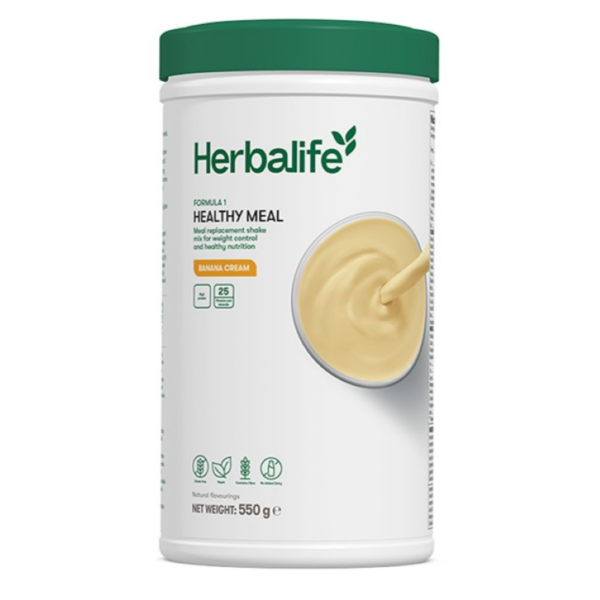
Formula 1 Healthy Meal
A balanced protein, fibre and micronutrient shake. See our full guide.
View ProductsOther Common Causes of Tiredness
Nutrition is only one part of the picture. The NHS’s self-help advice also points to non-nutritional factors worth checking first: not getting enough good-quality sleep, carrying excess weight, drinking too much alcohol, and ongoing stress all commonly contribute to feeling tired all the time — and regular exercise (even a 15-minute walk) is one of the most consistently effective ways to improve energy levels over time, somewhat counterintuitively.
Frequently Asked Questions
What vitamin deficiency most commonly causes tiredness?
Iron, vitamin B12, folate, vitamin D and magnesium are the nutrients most consistently linked to fatigue. Iron and B12/folate deficiency can each cause a specific type of anaemia diagnosed by blood test.
Why am I tired even after 8 hours of sleep?
Sleep quantity is only part of the picture — sleep quality, stress, nutrient status and underlying health conditions all affect how rested you feel. If this persists, it’s worth discussing with a GP.
Can dehydration make you tired?
Yes, mild dehydration is a commonly reported contributor to low energy and reduced concentration, alongside sleep and nutrition factors.
Should I take a multivitamin if I’m always tired?
A multivitamin can help if you have a genuine gap in your diet, but persistent tiredness is worth discussing with a GP first — especially if it’s new, severe, or comes with other symptoms — since supplements won’t address causes like anaemia, thyroid problems or poor sleep on their own.
How long does it take to feel less tired after fixing a nutrient gap?
This varies by individual and by nutrient, and isn’t something we can state a specific timeframe for without it being speculative. If you suspect a deficiency, a GP blood test is the reliable way to confirm it and guide treatment.
When to See a GP
Sources & References
- NHS — Tiredness and fatigue
- NHS — Self-help tips to fight tiredness
- NHS — Iron deficiency anaemia
- NHS — Vitamin B12 or folate deficiency anaemia
- NHS — Vitamin D
- EU Register of Nutrition and Health Claims — Commission Regulation (EU) No 432/2012 (iron, B-vitamins and magnesium claims relating to reduction of tiredness and fatigue)
- Herbalife official product labels (Formula 1, Formula 2, Immune Booster)
Dogus Dilan — Herbalife Independent Member / Wellness Coach
Writes every guide on this site from official Herbalife product labels and published data rather than marketing copy. As a Herbalife Independent Member, the products discussed here are sold through this shop.