
Aloe Vera Juice: The Honest Science, Benefits & Real Risks
By Dogus Dilan, Herbalife Independent Wellness Coach · Last updated 12 August 2026
The single most important word to look for on any aloe vera juice label is “purified.” Unpurified whole-leaf aloe extract contains anthraquinone compounds (aloin) that EFSA found genotoxic and potentially carcinogenic in 2019, leading to EU restrictions. A 2023 review found that purified, decolorized whole-leaf products — with anthraquinones removed — were not genotoxic. Beyond that safety distinction, many popular claims about aloe vera juice (detox, metabolism-boosting, drinking it to lighten skin pigmentation) aren’t well supported by evidence, while its genuine laxative-related properties and hydration value are real but come with their own cautions, especially around pregnancy and diabetes medication.

Why “Purified” Is the Word That Actually Matters
Aloe leaves contain two distinct layers: the clear inner gel, and a yellow latex layer beneath the rind containing anthraquinone compounds, primarily aloin. In 2019, EFSA’s scientific opinion found these hydroxyanthracene derivatives genotoxic, and that unpurified whole-leaf extract caused intestinal cancer in animal trials — findings that led to an EU restriction on aloe extracts containing them.
The reassuring counterpart: a 2023 review of purified, decolorized whole-leaf products (containing no more than 10 parts per million of aloin) found them not genotoxic. This is why the word “purified” on a product label is a genuine, meaningful safety marker, not just marketing language — it means the anthraquinone-removal step has actually happened.
What’s Real vs. What’s Overstated
✅ Genuinely Supported
Laxative-related properties (traditionally used for this reason, though the FDA required removal of aloe latex from OTC laxatives in 2002 due to insufficient safety data); a low-calorie way to increase fluid intake; some antioxidant content from vitamins C, E and beta-carotene.
⚠️ Not Well Supported (or Needs Real Caution)
“Detoxing” the body (your liver and kidneys already do this); boosting metabolism or aiding weight loss; lightening skin pigmentation from drinking it; treating diagnosed digestive conditions like Crohn’s disease or IBS (evidence is genuinely mixed).
If You Take Diabetes Medication, Read This First
This is worth being precise about, because it’s easy to see this framed as a benefit elsewhere online. The NCCIH notes that preliminary studies suggest aloe vera may lower blood glucose levels — which means the real, practical takeaway for anyone on glucose-lowering medication is caution about a possible interaction, not a reason to add aloe vera juice to your diabetes management plan. Speak to your GP or pharmacist before combining the two.
Who Should Be Extra Careful
- Pregnant or breastfeeding women — oral aloe vera in any form may be unsafe during pregnancy and breastfeeding; speak to your GP or midwife first.
- Anyone on heart medication like digoxin — overuse of aloe latex specifically may increase the risk of adverse effects from cardiac glycosides.
- Anyone with a diagnosed digestive condition (Crohn’s, ulcerative colitis, intestinal obstruction) — consult your GP before use.
- Anyone taking regular medication — the laxative effect can reduce absorption of some drugs.
Trying It Yourself
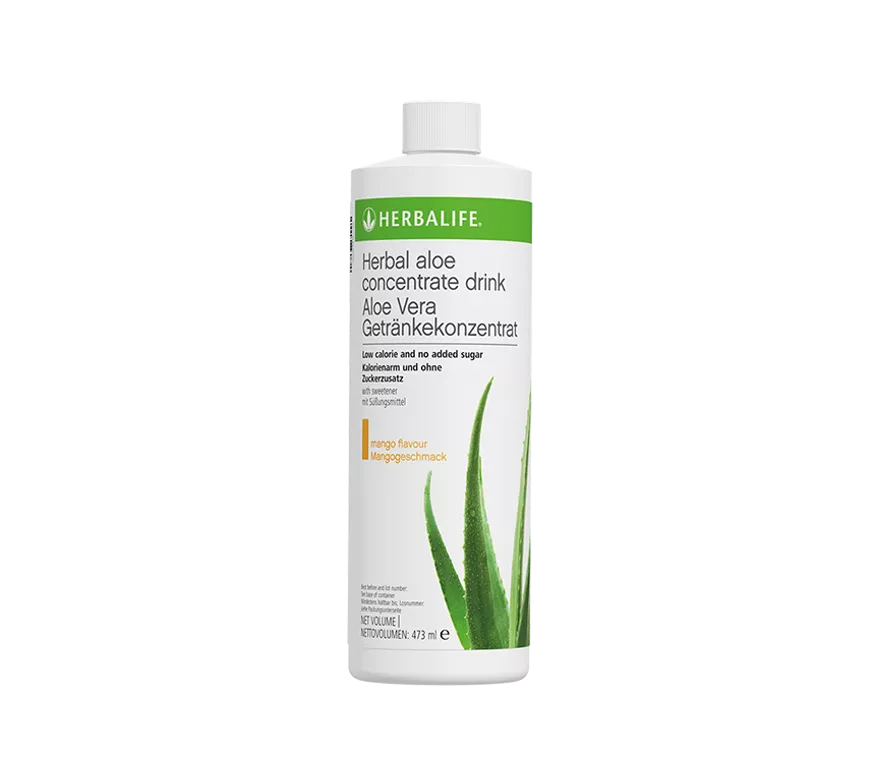
Herbal Aloe Concentrate Drink
40% purified whole-leaf aloe vera juice, mango flavour, 2 calories per serving. “Purified” on the label reflects exactly the anthraquinone-removal process discussed above.
Read Full GuideFrequently Asked Questions
Is aloe vera juice safe to drink?
Does aloe vera juice really detox the body?
Can aloe vera juice help with diabetes?
Is it safe during pregnancy?
Does drinking aloe vera juice lighten skin or reduce dark spots?
Related Reading
Sources & References
- NCCIH (National Center for Complementary and Integrative Health) — “Aloe Vera: Usefulness and Safety.”
- EFSA (2019) — Scientific opinion on hydroxyanthracene derivatives, discussed via Lexology.
- WebMD — “Aloe Vera: Health Benefits, Common Uses, Side Effects, and Risks.”
- Herbalife Nutrition — official UK product label, Herbal Aloe Concentrate Drink.
This is a sensitive topic for some readers, and this article is general information only, not personal medical advice. If you are pregnant, breastfeeding, take regular medication, or have a diagnosed medical condition, please speak to your GP before using aloe vera products.
Dogus Dilan — Herbalife Independent Member / Wellness Coach
Writes every guide on this site from official Herbalife product labels and published data rather than marketing copy. As a Herbalife Independent Member, the products discussed here are sold through this shop.