
How Much Protein Do You Need Daily? The Real Science
By Dogus Dilan, Herbalife Independent Wellness Coach · Last updated 12 August 2026
The baseline UK reference intake is 0.75g of protein per kg of body weight — around 56g a day for a 70kg man, 46g for a 57kg woman. That’s the minimum to prevent deficiency, not an optimal target. For muscle building alongside resistance training, a 2018 meta-analysis of 49 trials found benefits plateau around 1.6g/kg, with a statistical upper range up to 2.2g/kg. For fat loss, 1.2-1.6g/kg helps preserve muscle during a calorie deficit. Adults over 65 need more than the general baseline (1.0-1.2g/kg) due to age-related muscle loss, not less.

The Real Research Behind the 1.6g/kg Figure
A 2018 systematic review and meta-analysis published in the British Journal of Sports Medicine pooled 49 randomised controlled trials (1,863 participants) combining resistance training with protein supplementation. Using meta-regression, the researchers identified a breakpoint at approximately 1.62g of protein per kg of body weight per day, above which additional protein produced no further measurable gains in fat-free mass in the pooled data.
Worth being honest about: this is the most-cited study in this space, but not the final word — some more recent analyses suggest the true optimal range may extend higher for heavily resistance-trained individuals. The practical range most sports nutrition bodies now cite is 1.6-2.2g/kg for muscle building specifically.
Your Target, by Goal
Spread It Across the Day, Not Into One Meal
Aiming for roughly 25-30g of protein per meal, across 3-4 meals, is more effective for muscle protein synthesis than loading most of your daily total into a single dinner — this is a widely-repeated, practical finding across the sports nutrition literature, and it’s genuinely easier to hit than trying to eat one enormous protein-heavy meal.
Herbalife Products to Help You Hit Your Target
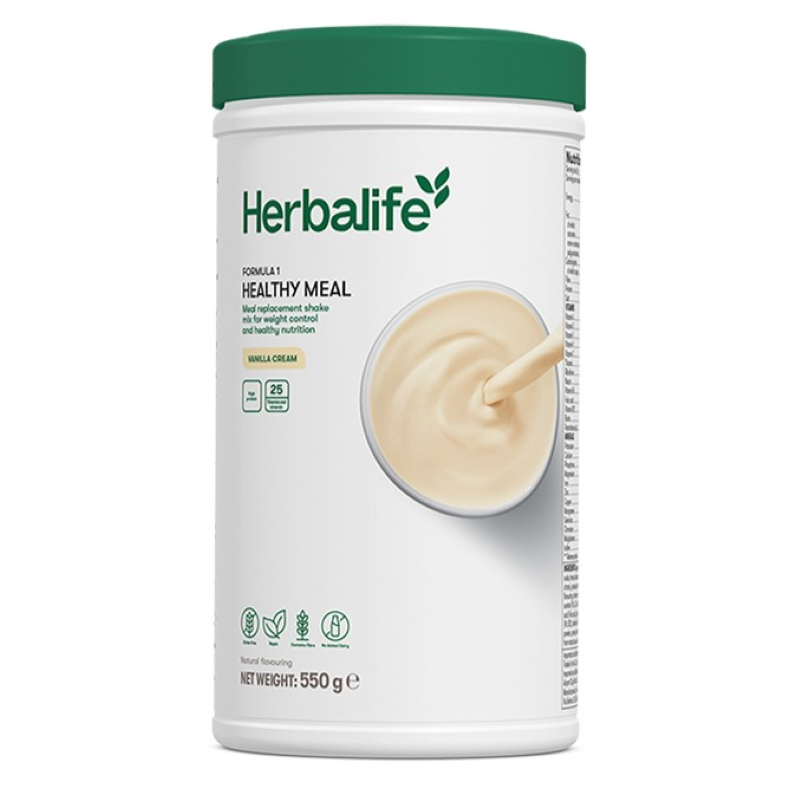
18g protein (w/ milk)
Formula 1
A convenient way to hit 25-30g at a meal when combined with an extra protein source.
Full Guide
15g protein per serving
Protein Drink Mix
Add to Formula 1 or take alone between meals to close a daily gap.
View Product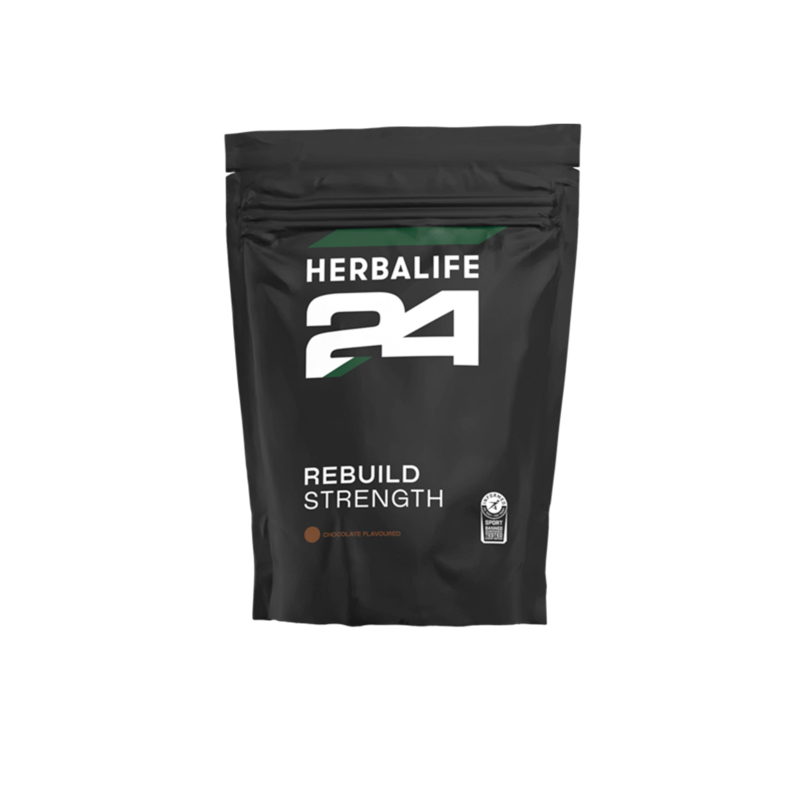
25g whey protein
Herbalife24 Rebuild Strength
The highest single-serving protein dose in the range, timed for post-resistance-training recovery.
Full Guide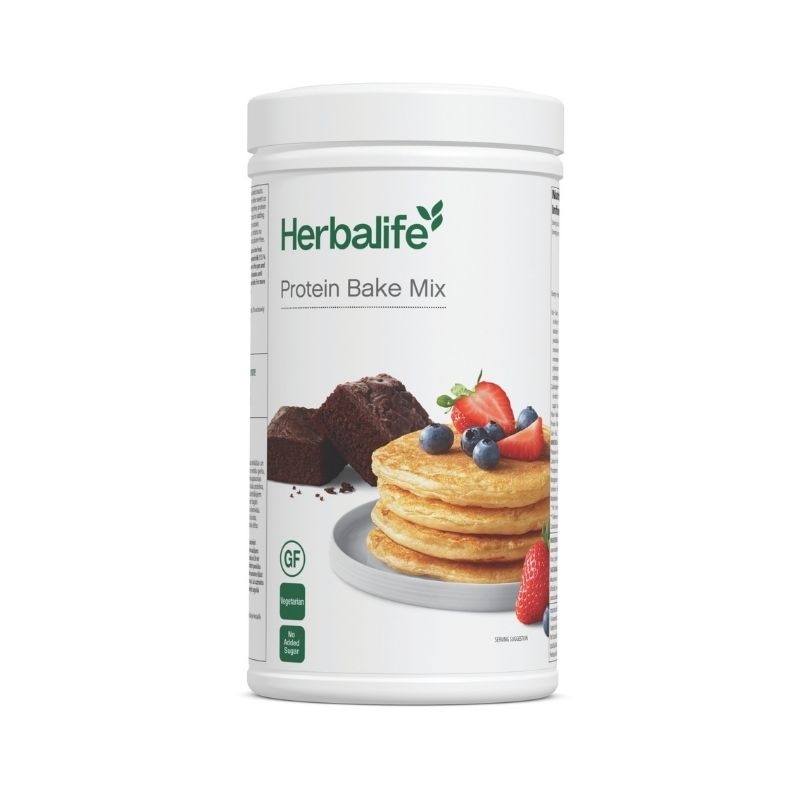
11-12g protein per serving
Protein Bake Mix
A way to add protein to actual food (pancakes, muffins) rather than another shake.
Full Guide
Plant-based protein blend
Tri Blend Select
A pea/rice/quinoa protein option if you’re avoiding soy or dairy sources.
View Products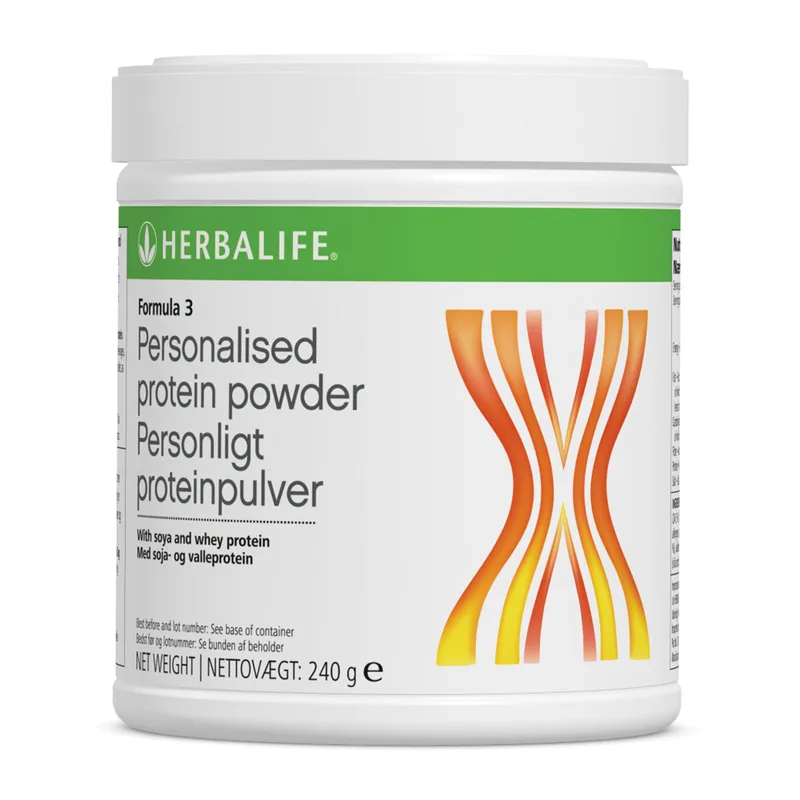
Customisable protein powder
Formula 3
An unflavoured, adjustable-dose protein powder, built specifically for topping up to a personal gram target.
Full GuideFrequently Asked Questions
How much protein do I need per kg of body weight?
Is more than 1.6g/kg of protein a waste for building muscle?
Do older adults need more or less protein?
How much protein should I eat per meal?
Can I get too much protein?
Related Reading
Sources & References
- Morton, R.W. et al. (2018). “A systematic review, meta-analysis and meta-regression of the effect of protein supplementation on resistance training-induced gains in muscle mass and strength in healthy adults.” British Journal of Sports Medicine, 52(6), 376-384. PubMed
- UK Scientific Advisory Committee on Nutrition (SACN) — Reference Nutrient Intake for protein.
This is general information, not personal medical or nutrition advice. If you have kidney disease or another condition affecting protein metabolism, speak to your GP or a registered dietitian before changing your protein intake.
Dogus Dilan — Herbalife Independent Member / Wellness Coach
Writes every guide on this site from official Herbalife product labels and published data rather than marketing copy. As a Herbalife Independent Member, the products discussed here are sold through this shop.