What Are the Health Benefits of Herbalife? The Complete UK Guide
By Dogus Dilan, Herbalife Independent Wellness Coach · Last updated 9 August 2026
Herbalife isn’t one product — it’s six distinct categories, each doing a different job: meal-replacement shakes for weight management, standalone protein boosters, targeted supplements (from cholesterol to sleep), Korean-inspired and original skincare, Herbalife24 sports nutrition, and wellness beverages like tea and aloe. Every genuine health claim across the range is backed by an authorised EU/UK nutrition and health claim, not marketing language — and where the underlying ingredient science is well-established (like oat beta-glucan and cholesterol, or caffeine and alertness), we’ve linked directly to the peer-reviewed research. This guide is the map: what each category actually does, and where to go for the full detail on any product.
Why We’re Organising It This Way
With over 90 individual products in the UK range, listing every single one on this page would make it unreadable, and it isn’t what you actually need. What’s more useful is understanding which category solves which problem — then going straight to the specific guide for the detail once you know where to look.
As a foundation, it’s worth stating what none of this replaces: the World Health Organization’s healthy diet guidance is built on whole foods — fruit, vegetables, fibre, and a balanced protein-fat-carbohydrate ratio. Every product below is designed to sit within that framework, not substitute for it entirely.
1. Weight Management & Breakfast Kits
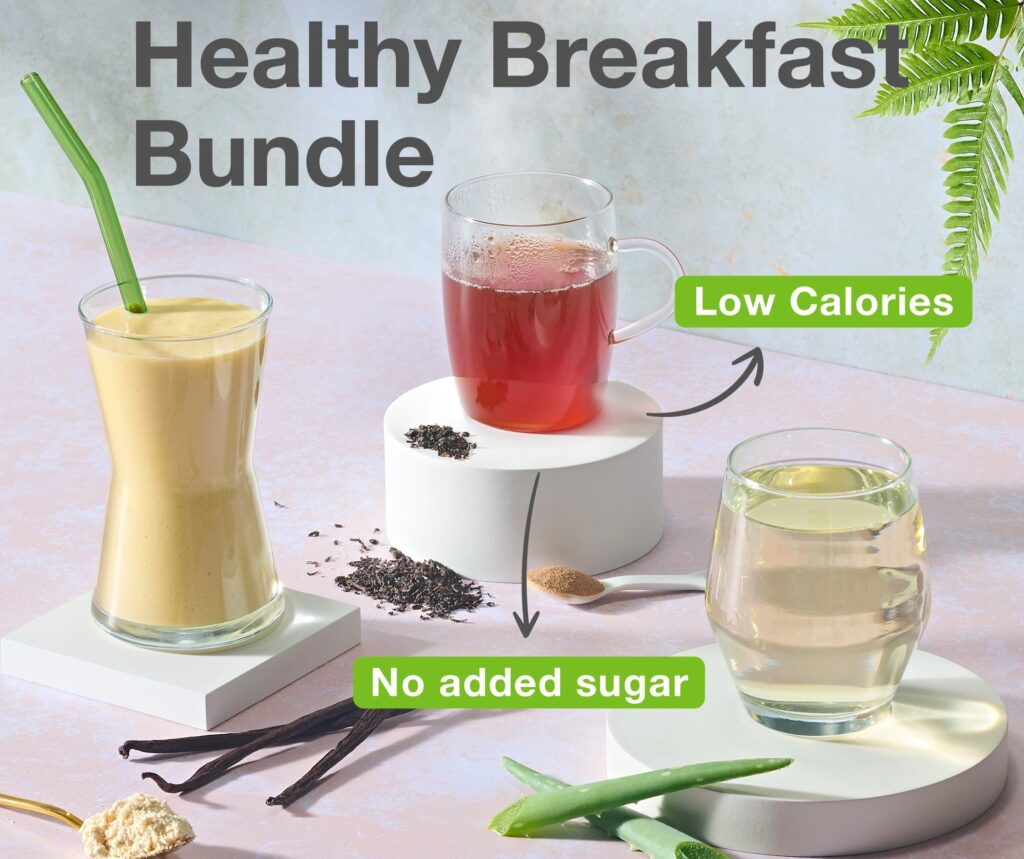
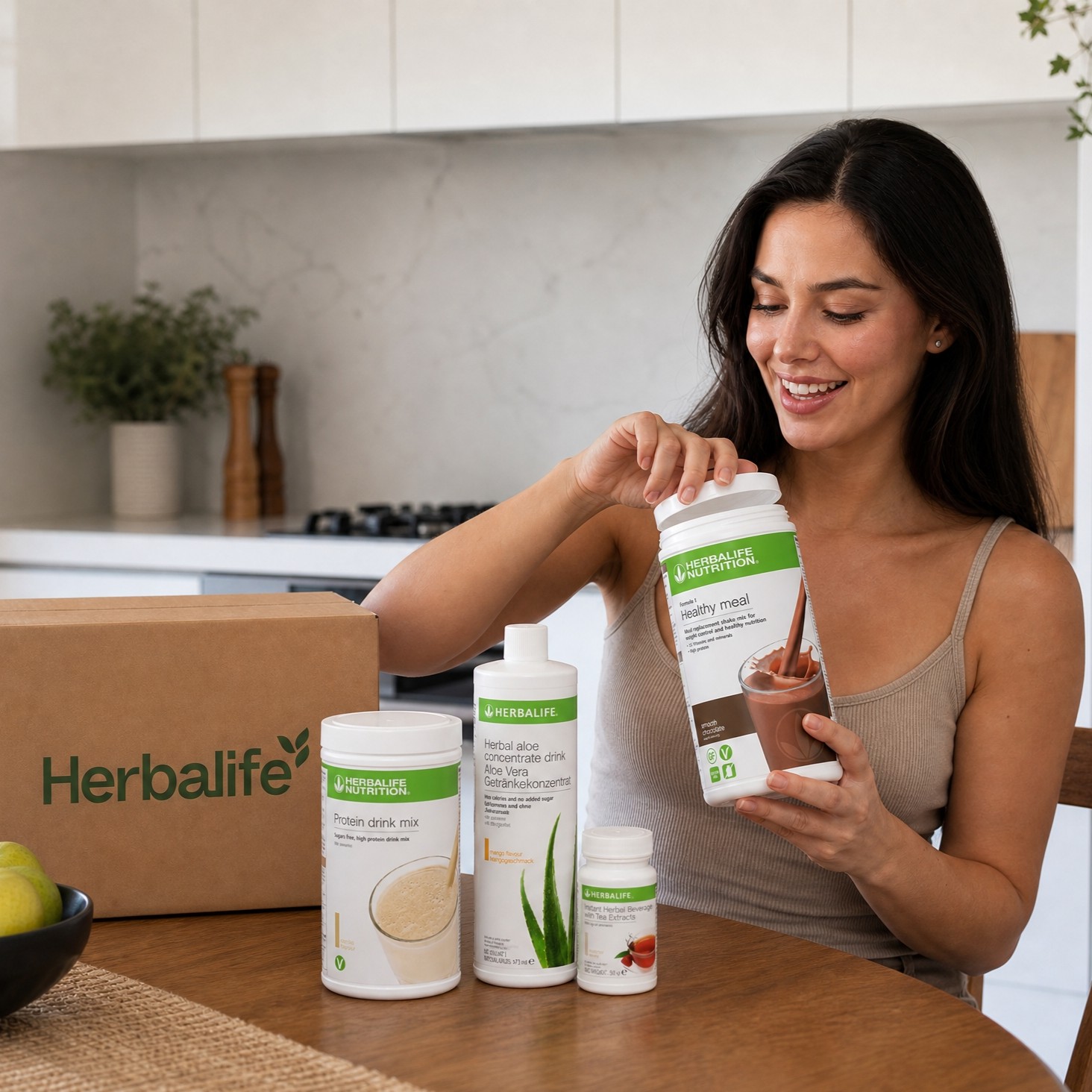
This is the category most people associate with Herbalife: Formula 1 meal-replacement shakes, bundled into Starter, Ideal and Advanced breakfast kits. The underlying claim is a genuinely authorised one — replacing two main meals a day within an energy-restricted diet contributes to weight loss, and replacing one contributes to maintaining weight after loss. It’s a specific, legally defined category (meal replacement), distinct from the stricter “total diet replacement” rules that apply to very low-calorie diets replacing every meal.
Full detail: Formula 1 & PDM Comprehensive Guide · Is Herbalife a Good Way to Lose Weight? · Is Herbalife Good for Breakfast? · The Ideal Breakfast Kit Explained · Shop the Advanced Breakfast Kit
2. Protein Shakes & Boosters
Beyond the meal-replacement shake itself, this category covers standalone and add-on protein: Protein Drink Mix and its fully vegan counterpart, Tri Blend Select (a plant-based pea/rice/quinoa blend), Formula 3, Protein Bake Mix for cooking, and the Protein Bars and Chips range for snacking. Protein needs genuinely vary by body weight and activity level — not everyone needs the same amount, which is worth understanding before choosing between these.
Full detail: Vegan Protein Drink Mix Guide · Formula 3 Explained · How Much Protein Do You Actually Need? · Protein Bake Mix Guide · Full Vegan & Vegetarian Product List
3. Targeted Health Supplements
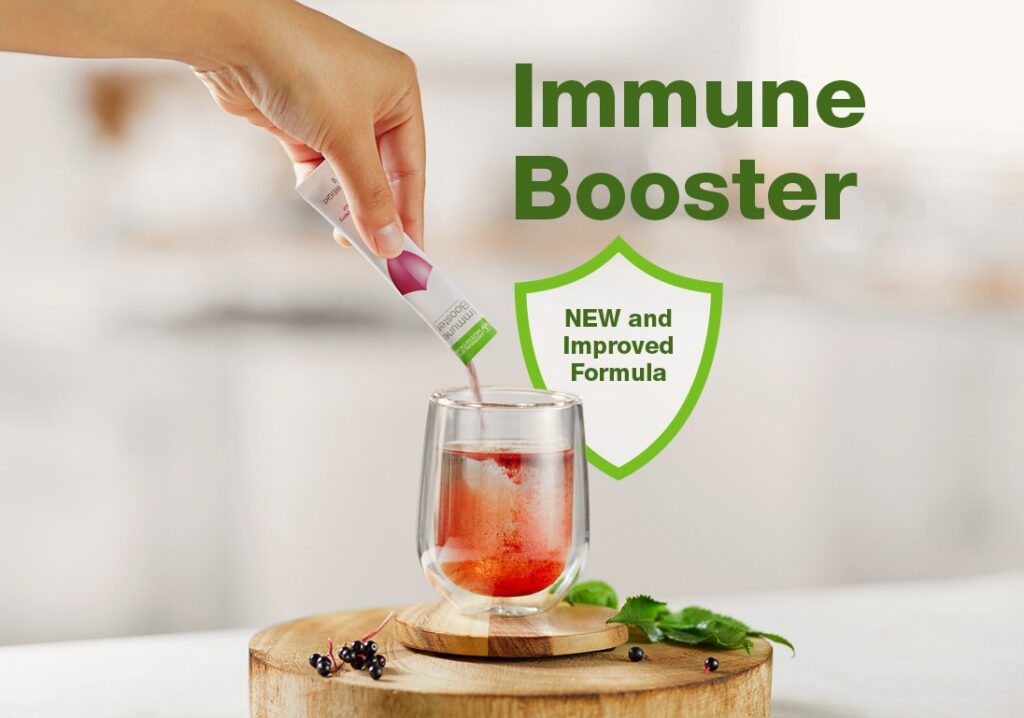
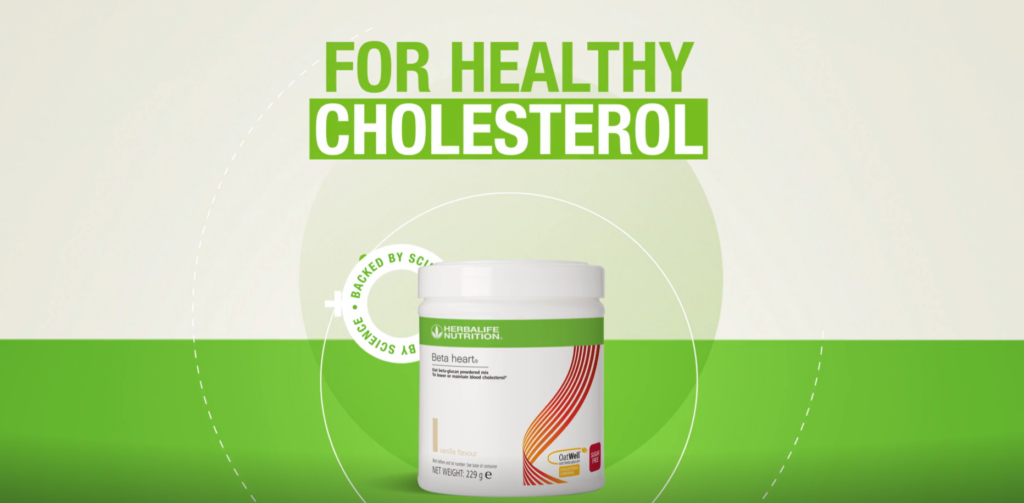
This is the most scientifically varied category, and the one where citing the actual regulatory claim matters most. Beta Heart’s oat beta-glucan is backed by a 2014 meta-analysis of 28 randomised trials showing a genuine LDL-cholesterol-lowering effect (Whitehead et al., 2014), and is explicitly recognised by the British Heart Foundation. Herbalifeline Max (omega-3) carries authorised claims for heart function, blood pressure and triglycerides — not cholesterol, a distinction worth knowing. Xtra-Cal supports bone health via calcium and vitamin D; Active Mind Complex and Immune Booster carry their own specific vitamin-based claims; Night Mode and Niteworks are formulated for evening use; and Collagen Skin Booster’s Verisol® P peptide has real clinical trial data behind it, though it’s not suitable for vegetarians, vegans or halal diets.
Full detail: Is Herbalife Good for Cholesterol? · Omega-3 & Fish Oil Explained · Xtra-Cal for Bone Health · Immune Booster Guide · Collagen Skin Booster: The Real Science · Why Am I Always Tired? Nutritional Gaps
4. Herbalife SKIN & HL/Skin Korean Skincare
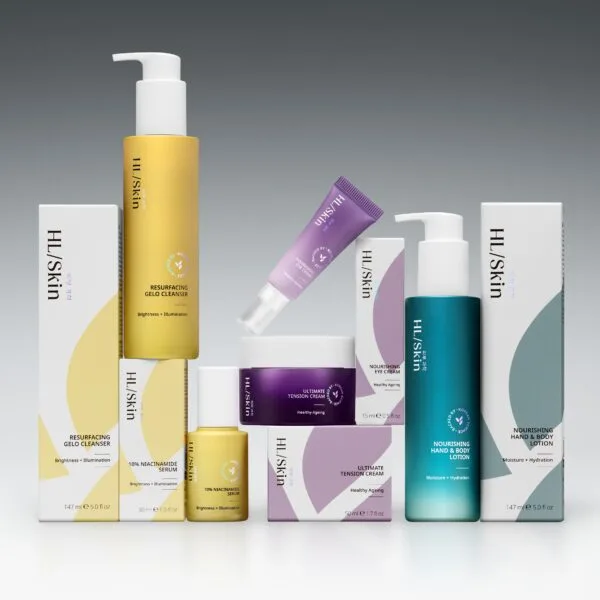
Two distinct skincare lines sit under the Herbalife name. The original Herbalife SKIN range (cleanser, toner, moisturiser, serum, scrub, mask) is built around aloe vera and Vitamins B3, C and E. HL/Skin is a newer, separately manufactured Korean-developed line centred on niacinamide, adenosine and peptide complexes, made by Kolmar Korea rather than the original line’s US manufacturer. They’re complementary rather than interchangeable — worth knowing before mixing routines between the two.
Full detail: How to Use Herbalife SKIN Products · HL/Skin Korean Skincare Explained · HL/Skin Niacinamide Serum Guide · Best Product for Dark Spots · Where to Buy the Full Range
5. Herbalife24 Sports Nutrition
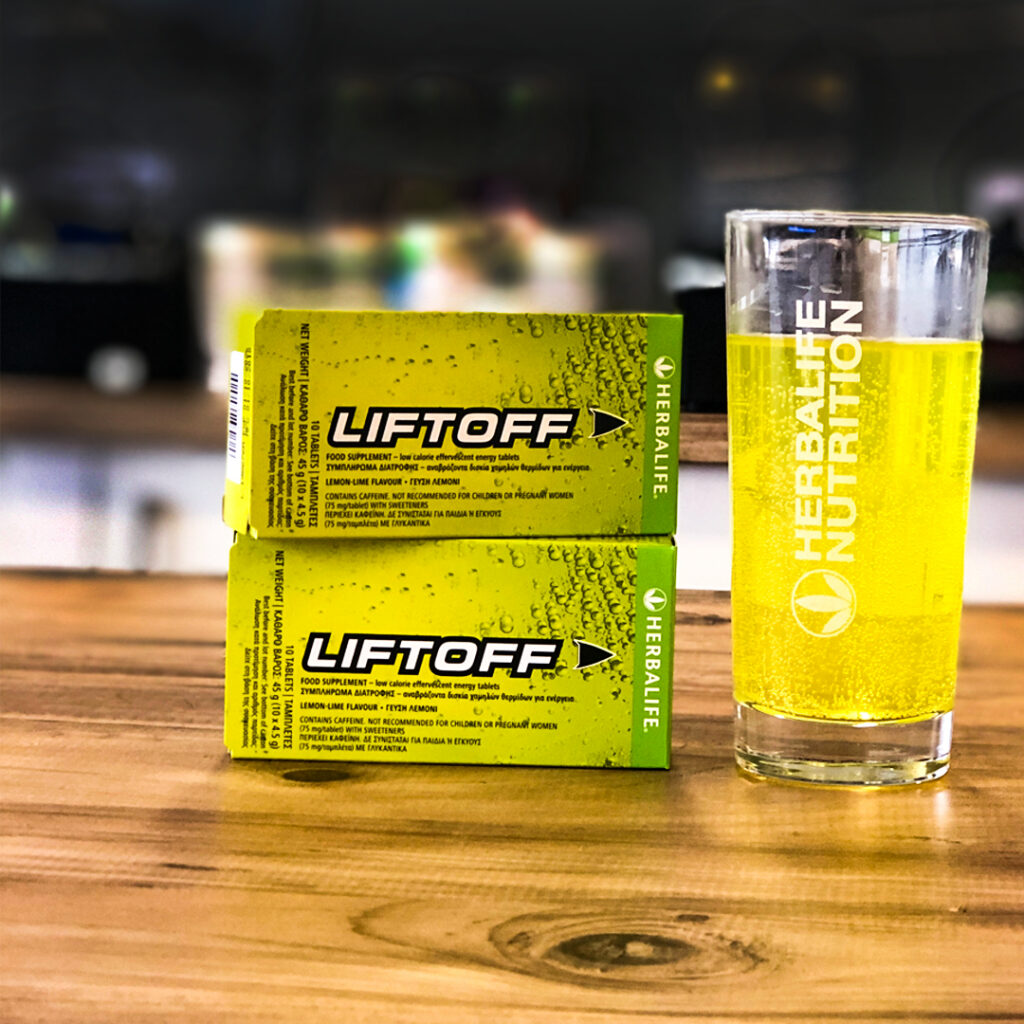
Herbalife24 is the performance-focused sub-brand: CR7 Drive and Hydrate for during exercise, Prolong Energy Gel for sustained effort, Rebuild Strength for post-workout recovery, Restore for overnight recovery, Creatine+ for strength training (genuinely backed by an EFSA-authorised claim), and LiftOff Max for a pre-workout caffeine boost. Several of these carry Informed Sport certification, meaning a batch sample has been tested and found free of banned substances — relevant if you compete under an anti-doping code.
Full detail: Herbalife24 Overview · CR7 Drive Hydration Guide · Prolong Energy Gel Guide · Creatine+ Guide · Full Caffeine Content List
6. Wellness Beverages: Tea & Aloe
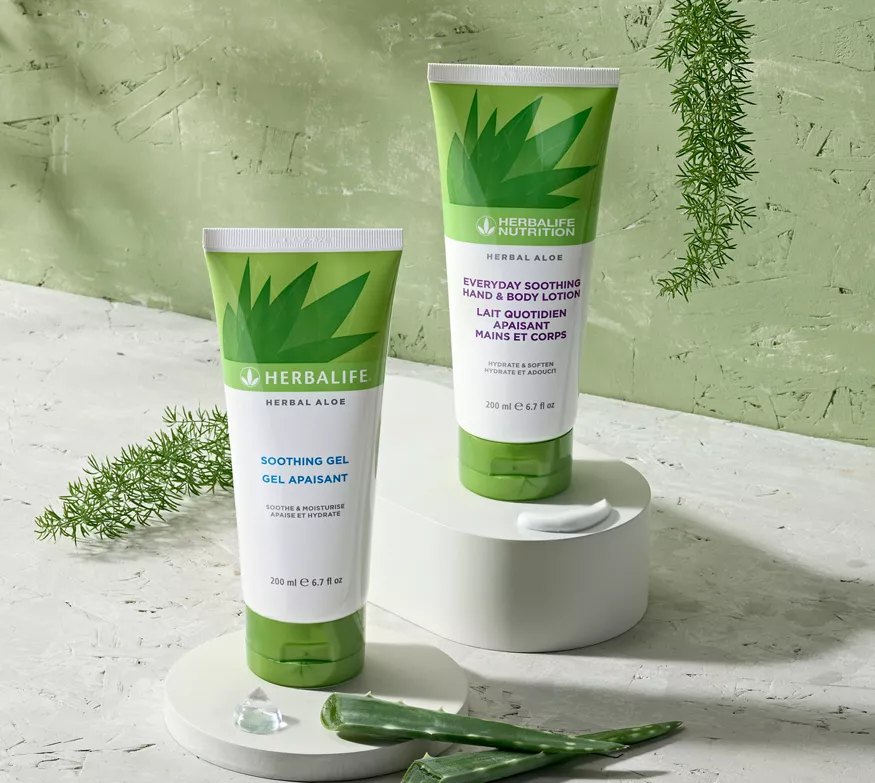
Instant Herbal Beverage with Tea Extracts delivers 87.5mg of caffeine at just 6 calories per serving, meeting the EFSA-recognised 75mg threshold for the authorised “alertness and concentration” claim (EFSA, 2015). Herbal Aloe Concentrate and AloeMax are separate, calorie-free hydration options built around cold-pressed aloe vera, differing mainly in concentration (40% vs 97%) and flavour. Oat Apple Fibre Drink rounds out the category as a general fibre supplement.
Full detail: Herbalife Tea: Full Science & Ingredients · Herbal Aloe Concentrate Guide · Staying Hydrated Without Plain Water · Is Herbalife Tea Safe in Pregnancy?
The Regulatory Foundation Behind These Claims
Every specific health claim referenced across this site — from beta-glucan and cholesterol to caffeine and alertness — is assessed under EU/UK nutrition and health claims law (Regulation (EC) No 1924/2006), which requires a claim to be backed by an EFSA scientific opinion before it can legally appear on a product label. This is meaningfully different from unregulated wellness marketing: a company cannot simply assert that an ingredient “boosts metabolism” or “detoxifies” without that specific wording having passed formal review.
Where the underlying research goes further than the authorised claim itself — such as the broader evidence base on green tea catechins — we say so explicitly and separate “what’s an authorised claim” from “what the wider scientific literature suggests,” rather than blurring the two.
Frequently Asked Questions
What are the six main categories of Herbalife products?
Which Herbalife product has the strongest scientific backing?
Are Herbalife’s health claims regulated?
What’s the difference between Herbalife SKIN and HL/Skin?
Do all Herbalife products contain the same ingredients?
Related Reading
Sources & References
- World Health Organization (2026). “Healthy Diet Fact Sheet.”
- EFSA Panel on Dietetic Products, Nutrition and Allergies (2015). “Scientific Opinion on the Safety of Caffeine.” EFSA Journal, 13(5), 4102. efsa.onlinelibrary.wiley.com
- Whitehead, A. et al. (2014). “Cholesterol-lowering effects of oat β-glucan.” American Journal of Clinical Nutrition, 100(6). PubMed
- British Heart Foundation — “5 Cholesterol-Lowering Foods.”
- Regulation (EC) No 1924/2006 on nutrition and health claims made on foods.
This is general information, not personal medical advice. If you have a specific health condition, are pregnant or breastfeeding, or take medication, speak to your GP before starting any new supplement.